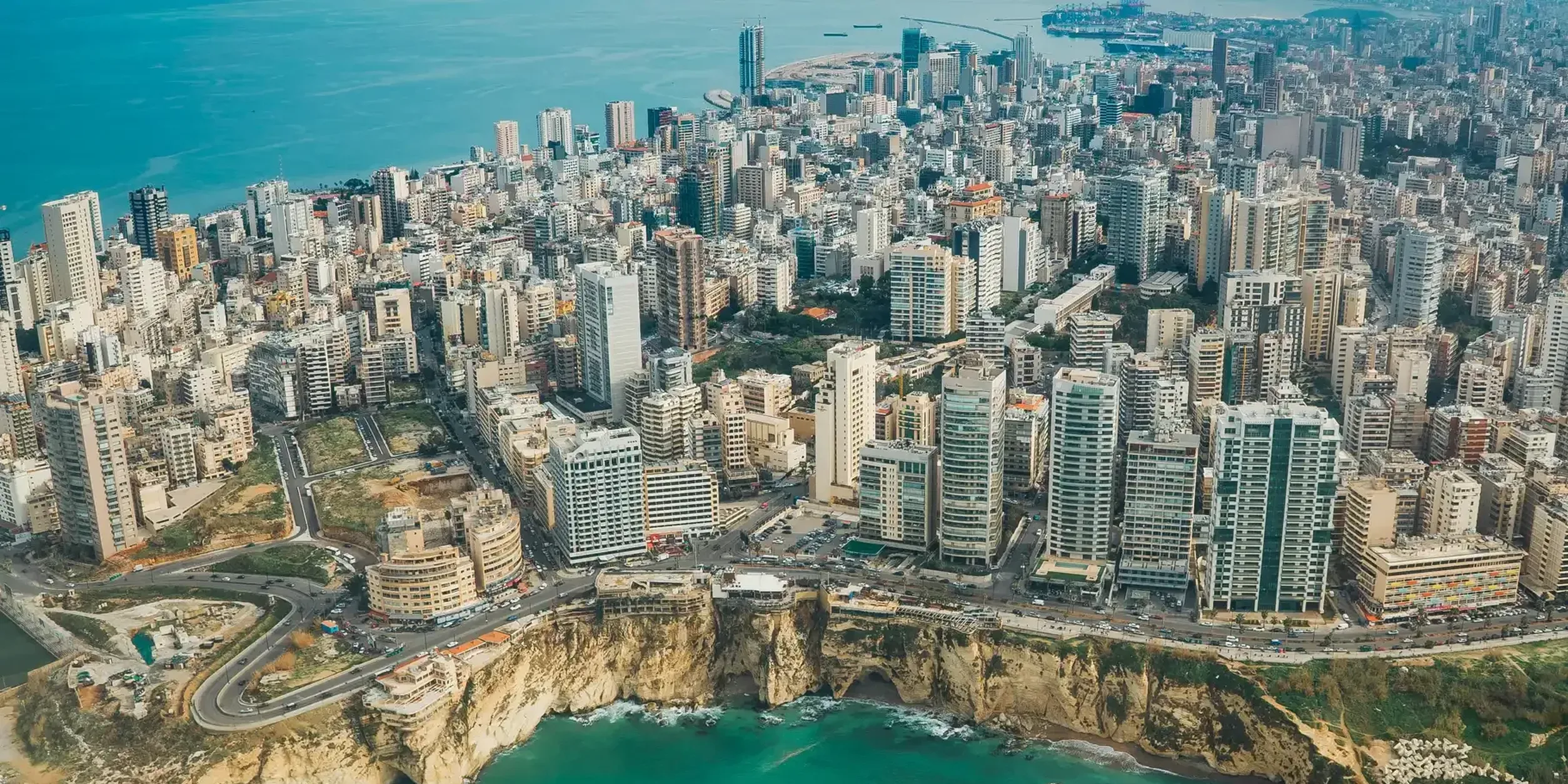
Lebanon
Lebanon in 2025–2026 presents a complex but promising investment landscape: despite ongoing financial challenges, reforms and international support are opening opportunities in renewable energy, infrastructure, agriculture, and technology.
Its strategic location, highly skilled workforce, and untapped sectors: renewable energy, agro-industry, and technology, make it a promising destination for investors seeking growth beyond saturated regional markets.
Lebanon: Investment Overview
- GDP & Economic Context
- Lebanon’s economy has faced contraction since the 2019 financial crisis, but stabilization efforts are underway.
- The World Bank’s Lebanon Economic Monitor (Spring 2025) highlights a reform agenda aimed at restoring confidence and growth.
- Strategic Location
- Positioned at the crossroads of Europe, Asia, and Africa, Lebanon offers access to regional markets and serves as a natural gateway for trade.
- Its ports and logistics infrastructure, once revitalized, can again play a central role in regional commerce.
- Human Capital
- Lebanon boasts a highly educated, multilingual workforce, with strong expertise in finance, engineering, IT, and creative industries.
- The Lebanese diaspora provides global networks and capital inflows, strengthening investment potential.
Key Reasons to Invest in Lebanon
- Emerging Sectors
- Renewable Energy: Strong potential for solar and wind projects, supported by IFC and World Bank initiatives.
- Infrastructure: Reconstruction of transport, utilities, and digital infrastructure is a priority, opening opportunities for PPPs.
- Agriculture & Agro-Industry: Demand for modern farming techniques, food processing, and export-oriented agribusiness.
- Technology & Startups: Lebanon’s entrepreneurial ecosystem remains vibrant, with opportunities in fintech, edtech, and creative industries.
- Government & International Incentives
- Ongoing reforms aim to attract foreign direct investment through tax incentives, regulatory modernization, and investment protection guarantees.
- IFC announced new investments in 2025 to expand access to finance, energy, and manufacturing.
- Market Demand
- Lebanon’s recovery requires imports and services across multiple sectors, creating demand for construction materials, healthcare solutions, financial services, and consumer goods.
- Regional Trade Potential
- Once stabilized, Lebanon can leverage its free-market orientation, banking tradition, and trade agreements to re-emerge as a hub for Middle Eastern commerce.
Contact